Does Aging Influence the Anion Gap?
How the Anion Gap Measures
The anion gap is a calculated value that helps reveal how the body’s electrolytes are balanced. It is usually based on the main charged substances in the blood: sodium, chloride, and bicarbonate. Because the body must https://anion-gap-lookup590.wordcanopy.com/posts/how-to-determine-anion-gap-using-serum-sodium keep electrical charge in balance, a space between measured ions can provide clues about hidden acids or other alterations in chemistry.
Clinicians often use the anion gap as a clinical marker when evaluating metabolic acidosis and other acid based problems. It does not diagnose a disease by itself, but it can suggest an underlying cause that deserves attention. In other words, the number is most useful when interpreted within the full clinical context, not in isolation.
The result is commonly part of a serum chemistry panel or other blood test. It shows the relationship between measured cations and anions and can help identify an electrolyte imbalance or another acid-base disorder. Because the calculation depends on routine lab values, even small differences in measurement can influence the final number.
How the Anion Gap Calculator Works
An anion gap calculator relies on a simple computation based on laboratory results. The usual formula is:

Anion gap = sodium - (chloride + bicarbonate)
Some labs follow slightly alternative methods, and some include potassium, but the basic idea is the same: contrast the measured positive ion sodium against the reported negative ions chloride and bicarbonate. The difference estimates the amount of unmeasured anions in the blood.
This calculation is useful because the gap can increase when acids build up in the body. That is why the anion gap is often reviewed during evaluation of metabolic acidosis. A calculator can make the math quick, but the real value comes from interpretation of the result. A number that is elevated or reduced does not automatically mean disease; it means the result should be read together with other findings.
When using an anion gap calculator, it is also important to know the surrounding serum chemistry panel results, especially the bicarbonate level and any signs of albumin changes. The calculator can provide a useful screen, but it is not a complete diagnosis. If the lab report includes an adjusted anion gap or notes on albumin correction, those details may significantly affect the meaning of the result.
Can Maturity Affect the Anion Gap?
In short, the answer is: age usually does not change the anion gap very much by itself. Most variation in the result is caused by albumin, the specific measurement method, laboratory variation, and whether the person has an illness that affects acid-base balance. Age can matter indirectly because children and older adults may have different physiology, medications, nutrition, or health conditions, but age alone is not usually the main reason for an abnormal value.
In children, the normal range may be different from adult ranges depending on the lab, the testing platform, and the reference interval used. In older adults, the anion gap may seem lower if serum albumin is reduced or if chronic medical issues affect the chemistry panel. Still, the number should be interpreted in clinical context rather than assumed to be abnormal because of age alone.
Physiologic changes across the lifespan can influence related lab values, but the anion gap itself is not considered a isolated age-based marker. If the result is unexpected, the first questions are usually whether the lab used a different method, whether albumin is low, and whether there is an underlying cause such as illness, dehydration, or an acid-base disturbance.
Standard Anion Gap Intervals by Age and Lab Technique
The reference range for the anion gap varies by laboratory because the measurement method is not identical everywhere. Many labs employ ion-selective electrodes and provide smaller normal ranges than older methods. Another group may derive a more expansive or smaller reference interval based on their own population and equipment.
That is one reason the same person may receive somewhat different results from different laboratories. That is a form of laboratory variation, not always a sign that something is wrong. A result that looks high or low in one setting may still fit that lab’s normal range.
Serum albumin is especially important. Because albumin is a major unmeasured anion, a lower albumin level can lower the anion gap even when the true acid-base situation has not changed much. That is why clinicians may use albumin correction or an adjusted anion gap when albumin is low.
Years of age can matter indirectly because albumin levels, nutrition, chronic disease burden, and medication use may differ across life stages. But the most useful rule is this: when comparing the anion gap, compare it to the lab’s own reference range and check whether the report includes albumin or a corrected calculation. That combination gives a much better picture than age alone.
Frequent Reasons of a High Anion Gap
A high anion gap often suggests that extra acids are present in the blood, leading to metabolic acidosis. It is one of the most common reasons clinicians examine the result closely. A raised gap is not a diagnosis; it is a clue that helps identify the underlying cause.
Typical causes include lactic acidosis, ketoacidosis, and kidney failure. In lactic acidosis, the body makes too much lactic acid, often during limited oxygen delivery, severe infection, or other stress states. In ketoacidosis, acids called ketones increase, which can happen with diabetes, prolonged fasting, or other metabolic states. Kidney failure can reduce acid excretion, letting acids to accumulate and the anion gap to rise.
Other causes exist as well, but these three are among the most significant clinically ones. A high result should always be read together with the person’s symptoms, medications, history, and the rest of the blood test results. If the bicarbonate is low and the anion gap is elevated, the pattern strongly supports an acid-base disorder that needs a thorough medical evaluation.
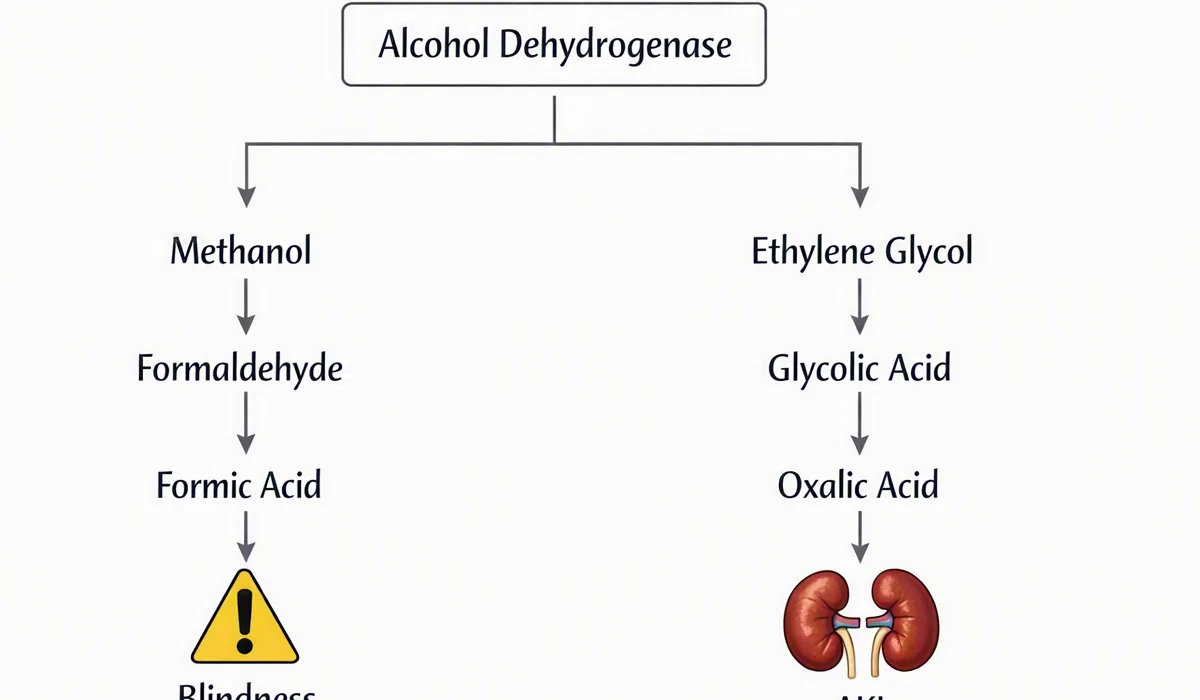
Because the anion gap is a screening test, the next step is usually to look for the reason behind the acid buildup. That may include checking glucose, lactate, ketones, kidney function, and other tests depending on the situation.
Main Causes of a Low anion gap
A low anion gap is rarer than a high one, but it can still be meaningful. One of the leading reasons is hypoalbuminemia, meaning low serum albumin. Since albumin contributes negative charge in the blood, a reduced level can make the gap look smaller than expected.
Other causes include multiple myeloma and related conditions involving paraproteinemia. In these disorders, abnormal proteins in the blood can alter the charge balance and lower the measured gap. This does not mean the person has myeloma every time the anion gap is low, but it is one of the conditions clinicians may review when the number is persistently unusual.
Lithium is another classic cause. Because it is a positively charged ion, it can influence the calculation and reduce the apparent gap. Medication history matters here, as does the full chemistry picture.
A low result can also reflect testing issues or normal biological variation. That is why a repeated result, the albumin level, and the rest of the serum chemistry panel are often checked before drawing conclusions. A low number alone does not equal disease; it is a signal to examine the wider pattern.
When a Different Result May Be Typical
Not every result outside the typical range is a concern. Sometimes a changed anion gap is expected because of temporary or body-related factors. Dehydration, pregnancy, and acute illness can all influence the chemistry panel in ways that change the number without indicating a chronic disorder.
For example, hydration changes can thicken or water down blood components, affecting measured electrolytes. Hydration status can therefore have an effect in the appearance of the result. Pregnancy can alter many lab values because of normal body adaptation, and acute illness can affect acid production, kidney handling, and albumin levels.
In these situations, the most important question is whether the value aligns with the overall picture. A mildly different anion gap may be fine if the person is otherwise well and the clinician has no concerns. The same result may be more meaningful if symptoms, low bicarbonate, abnormal kidney function, or other warning signs are present.
This is where the anion gap calculator becomes helpful as a practical tool, but only as part of interpretation. It can help identify a laboratory result worth reviewing, yet the final meaning depends on the person’s clinical situation, associated findings, and whether there is evidence of acid-base imbalance.
How to Interpret an Abnormal Result
Evaluating an abnormal anion gap starts with asking whether the result is truly above or below the lab’s reference range. Then examine the bicarbonate, sodium, and chloride values, along with albumin and kidney function. This supports figure out whether the pattern suggests an acid-base balance problem or simply reflects the way the test was measured.
If the result is high, clinicians often think about causes of metabolic acidosis such as lactic acidosis, ketoacidosis, or kidney failure. If the result is low, they may look for hypoalbuminemia, medication effects, or protein disorders such as multiple myeloma and paraproteinemia. In both cases, the goal is to determine the underlying cause rather than fixate on the number alone.
Clinical signs matter. Shortness of breath, confusion, vomiting, severe weakness, chest pain, or marked fatigue may suggest a more urgent issue. A blood test result that seems mild on paper can still be meaningful if it matches the person’s symptoms or history.
A clinician may order repeat testing, additional blood work, or other studies to pinpoint the cause. If albumin is low, an adjusted anion gap may be more helpful than the raw number. If there is concern for a serious acid-base disorder, prompt medical evaluation is important.
FAQ: Anion Gap and Age
Does age affect the anion gap?
Age usually has only a small direct effect on the anion gap. Most changes are due to albumin levels, the laboratory method, or illness rather than age itself. That is why the result should be interpreted using the lab’s reference range and the full clinical picture.
Is the normal anion gap different in children and older adults?
It can be, depending on the laboratory and the measurement method. Children and older adults may also have different albumin levels or medical conditions that affect the result. The best approach is to use the lab’s reference range and consider age-related physiology only as part of the broader interpretation.
Can a low anion gap be normal?
Indeed, a low anion gap can be normal or explained by reasons like low serum albumin, lab variation, or certain medications. A single low result does not necessarily mean disease. If it is unexpected or persistent, it should be assessed in clinical context.
What causes a high anion gap?
An elevated anion gap is often caused by metabolic acidosis. Common causes include lactic acidosis, ketoacidosis, and kidney failure. Other causes may exist, so the result should be read with the rest of the blood test and the person’s symptoms.
Should I use anion gap calculator if my lab result is abnormal?
Certainly, anion gap calculator can be a practical tool for checking the calculation and understanding the result. It is especially helpful when reviewing a serum chemistry panel or comparing lab values. Still, any abnormal result should be discussed with a clinician, since the final interpretation depends on symptoms, albumin, and the underlying cause.