What Means the Anion Gap in Respiratory Alkalosis?
The anion gap in respiratory alkalosis is generally within normal limits in a isolated disorder, but it can at times appear higher when another condition is also occurring. The key is to read the anion gap together with the arterial blood gas, serum chemistry, and overall clinical context. That is where an Anion Gap Calculator becomes helpful: it helps show whether the lab pattern is consistent with simple hyperventilation or suggests a hidden metabolic component.
To interpret the result correctly, you need to look at pH, PaCO2, HCO3, and serum electrolytes such as sodium and chloride. The gap is not a independent diagnosis. It is a calculated value that can serve as a diagnostic clue in acid-base balance, especially when blood gas interpretation is being used to look for an underlying cause.
What’s Respiratory Alkalosis?
Respiratory alkalosis is an acid-base imbalance caused by too much loss of carbon dioxide, usually from hyperventilation. When breathing is faster or more deep than needed, the body develops hypocapnia, meaning a low carbon dioxide level in the blood. Because carbon dioxide is an acid source, lowering it raises blood pH and shifts the body toward alkalemia.
An arterial blood gas is the main test used to recognize this pattern. In respiratory alkalosis, the expected findings are a increased pH and a decreased PaCO2. Depending on whether the process is acute or chronic, the kidneys may begin compensation by reducing HCO3. That change is part of respiratory compensation and helps the body maintain acid-base balance over time.
Common triggers include anxiety, pain, fever, pregnancy, liver disease, hypoxemia, and sepsis. The exact trigger matters because the cause can alter other blood chemistry values too. For example, a patient who is hyperventilating due to sepsis may have both respiratory alkalosis and a metabolic acidosis process at the same time.
That is why respiratory alkalosis should never be interpreted using pH alone. The pattern in the arterial blood gas, along with the electrolyte panel, gives the best assessment of the disorder.
What Is the Anion Gap?
The anion gap is a derived value from the serum electrolytes that reflects the difference between measured cations and measured anions. In routine lab interpretation, it is often used to help detect unmeasured acids in the blood. The usual anion gap formula uses sodium, chloride, and bicarbonate:
Anion gap = sodium - (chloride + bicarbonate)
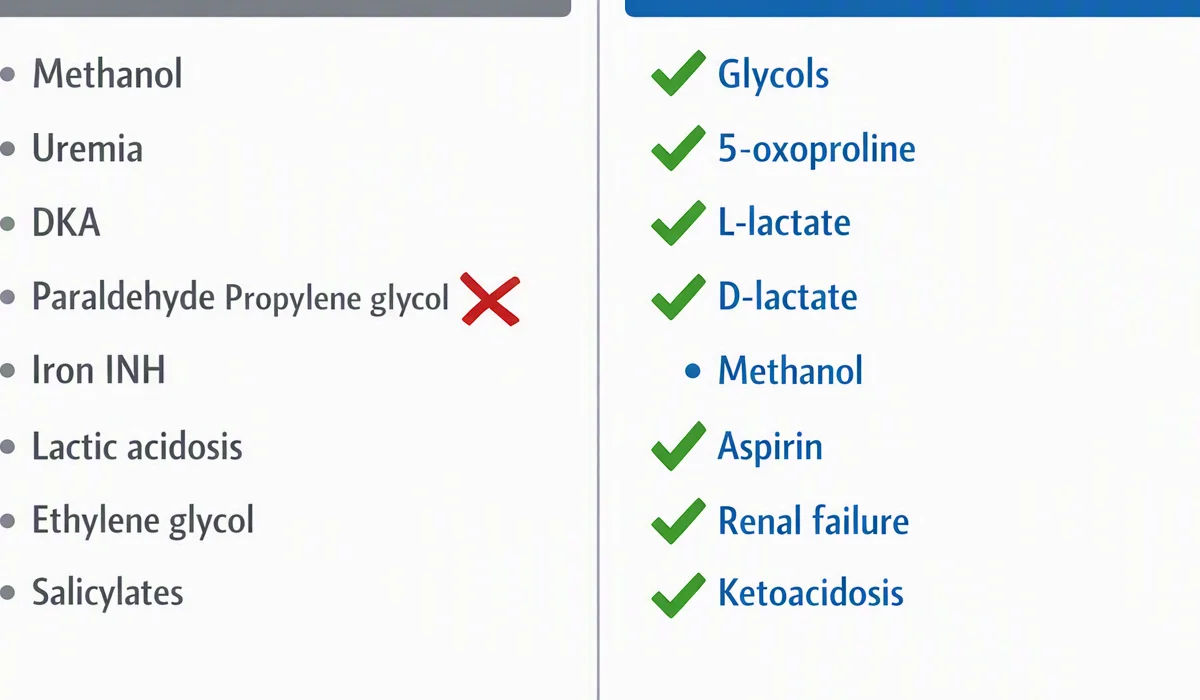
Because sodium is the main measured cation and chloride is a major measured anion, this calculation provides insight into whether other unmeasured anions may be present. Those unmeasured particles can include lactate, ketoacids, and certain toxins. In this way, the anion gap is a helpful clue to hidden acid-base problems.
The reference range depends on the laboratory and the methodology used. Some labs report a lower normal range than others. This is why the value should always be interpreted with the local normal range rather than assuming one universal number.
Albumin matters too. Since albumin is negatively charged, low levels can make the gap look lower than it truly is. For that reason, any careful acid-base review should consider albumin when evaluating the calculated value.
Can respiratory alkalosis Alter the Anion Gap?
In isolated respiratory alkalosis, the anion gap usually does not increase significantly. The key change is a reduction in PaCO2, which raises blood pH. Over time, the kidneys may lower HCO3 as part of compensation. That bicarbonate drop can somewhat influence the calculated value, but it rarely produce a true high anion gap by itself.
The effect of albumin is especially important here. If albumin is low, the measured gap may appear normal even when abnormal acids are present. For that reason, a corrected anion gap is commonly more informative than the raw number. Albumin correction helps separate a true metabolic problem from a inaccurate lab result.
Put differently, respiratory alkalosis does not inherently create excess acids. It is a ventilatory problem first. If the gap is elevated, that usually suggests something beyond simple respiratory alkalosis, such as lactic acidosis or another metabolic process. This is why acid-base analysis should always include the entire https://anion-gap-estimator957.swiftnestly.com/posts/anion-gap-calculator-with-serum-bicarbonate-explained clinical picture rather than one isolated lab value.
How the Anion Gap Can Seem Elevated in Respiratory Alkalosis
When the anion gap looks elevated in respiratory alkalosis, the explanation is often not the alkalosis itself. Instead, another process may be increasing lactate or adding other unmeasured anions. These can create an elevated gap that indicates a hidden metabolic disorder.
One common mechanism is increased glycolysis and stress physiology, which can raise lactate. Another is altered protein binding, especially when pH shifts change how molecules attach to albumin and other proteins. This can affect how ions are distributed in blood chemistry and may affect the apparent gap.
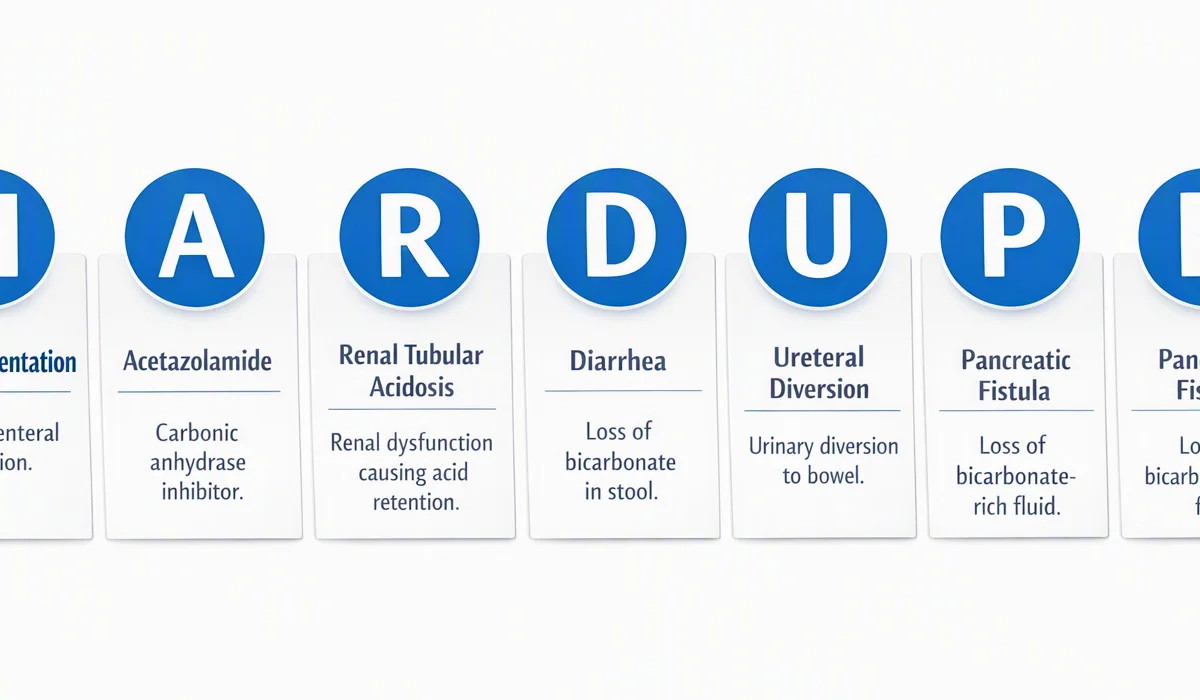
More importantly, a high anion gap in the setting of respiratory alkalosis can signal metabolic acidosis occurring at the same time. This is a classic mixed pattern. For example, a patient may be hyperventilating and have a low PaCO2, yet still have an acid load from lactate, ketones, or toxins. In that case, the blood gas and chemistry panel are showing two stories at once.
This is why the anion gap is such a useful diagnostic clue. It can reveal a second acid-base disorder that would otherwise be hidden by the alkalosis. When the lab picture does not fit a simple respiratory process, a deeper medical assessment is needed.
How to Understand an Anion Gap Calculator Result
An Anion Gap Calculator is most useful when it is used with the rest of the electrolyte panel and arterial blood gas data. The calculator gives a calculated value, but interpretation depends on the reference range, albumin level, and whether the patient has a suspected acid-base disorder.
Begin by checking the basics:
- Assess pH to see whether the patient is acidemic or alkalemic.
- Review PaCO2 to determine whether the primary problem is respiratory.
- Assess HCO3 to see whether there is a metabolic component.
- Evaluate serum electrolytes, especially sodium and chloride.
- Assess albumin and apply albumin correction if needed.
If the raw result is only mildly elevated, albumin may explain the difference. That is when the corrected anion gap becomes important. A correction can move the result back into the normal range or reveal a clearer elevation. This step improves lab interpretation and reduces the chance of missing an underlying cause.
Also check whether the result fits the expected physiology. A patient with respiratory alkalosis from anxiety may have low CO2 and a mildly reduced bicarbonate, but not a strongly elevated gap. On the other hand, a patient with sepsis or salicylate toxicity may show respiratory alkalosis plus a significant gap elevation because another metabolic process is active.
In short, the calculator is a tool, not the diagnosis. It helps identify whether the electrolyte disturbance is simple or whether a mixed acid-base disorder should be suspected.
Common Sources of Respiratory Alkalosis With an Altered Anion Gap
A number of states can combine respiratory alkalosis with an abnormal anion gap. The most important causes are those that produce a metabolic acid load while also driving hyperventilation.
Sepsis is a common example. It can cause tachypnea and low CO2 from increased respiratory drive, while also raising lactate due to poor perfusion or impaired metabolism. The result may be respiratory alkalosis plus a metabolic acidosis pattern.
Anxiety frequently causes hyperventilation and hypocapnia. By itself, it usually does not cause a high anion gap. However, if another problem is also present, the anxiety may be the obvious feature while the true disorder is hidden in the blood chemistry.
Salicylate toxicity is a classic mixed acid-base disorder. Early on, it can stimulate the respiratory center and cause respiratory alkalosis. Later, it often produces metabolic acidosis with an elevated gap due to organic acid accumulation. This is one of the most important cases to recognize promptly.
Liver disease may also contribute. It can alter lactate handling and overall acid-base balance, sometimes creating mixed findings. Depending on the severity and associated complications, the pattern may include hypocapnia, elevated lactate, and abnormal bicarbonate.
Other causes of a combined pattern may include infection, shock, drug effects, or severe systemic illness. The exact underlying cause should be matched to the patient’s symptoms, physical examination, and lab trends rather than judged from one number alone.
How to Distinguish isolated respiratory alkalosis vs a Mixed Disorder
Distinguishing a pure disorder from a mixed acid-base disorder involves reviewing the ABG with the electrolyte panel and expected compensation. First, ask whether is whether the low PaCO2 fully explains the pH change. When it does, the disorder may be primarily respiratory. If not, another process may be present.
Then, examine HCO3. In acute respiratory alkalosis, bicarbonate may fall a little as immediate respiratory compensation begins. In chronic cases, the kidney lowers bicarbonate more noticeably. If the bicarbonate is much lower than expected, that suggests a metabolic component, such as metabolic acidosis.
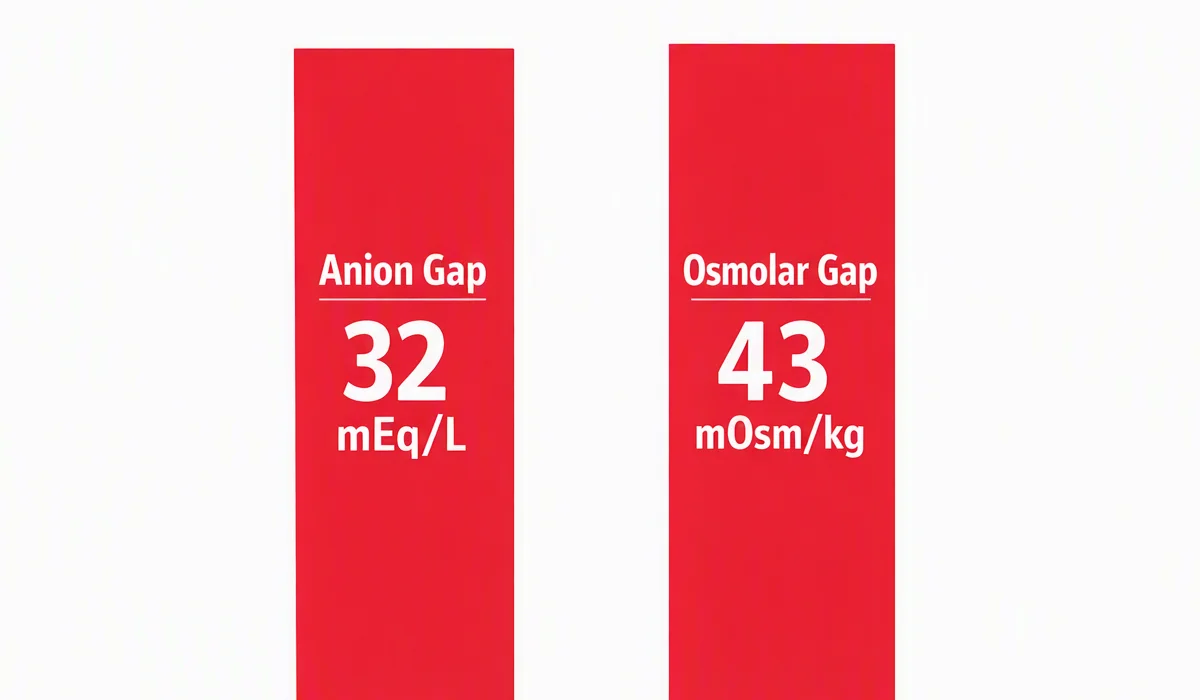
The anion gap helps here. With a normal gap, the pattern may be closer to pure respiratory alkalosis or a non-gap metabolic process. When the gap is elevated, think about added acids, especially lactate, ketoacids, or toxins. This is where blood gas interpretation becomes more nuanced and where clinical context matters most.
A useful approach is to ask:
- Is the pH alkalemic?
- Is PaCO2 low enough to explain the alkalemia?
- Is HCO3 consistent with the degree and duration of hypocapnia?
- Is the anion gap normal, albumin-corrected, or high?
- Does the patient show evidence of sepsis, salicylate toxicity, renal failure, or ketosis?
If the answers do not line up, suspect a mixed disorder rather than a simple respiratory problem.
When an Anion Gap Result Should Raise Concern
A concerning result is one that shows a high anion gap in a patient who appears to have respiratory alkalosis. Such a pattern should prompt a search for hidden metabolic acidosis, especially if the patient is ill or has unexplained symptoms.
Several reasons deserve immediate attention. Ketosis can produce an elevated gap through ketoacid accumulation, especially in diabetes, starvation, or prolonged poor intake. Renal failure can cause retention of acids that are not cleared normally, leading to a high gap. Both conditions may coexist with tachypnea and low CO2, making the picture more complex.
Also think about lactate elevation when the patient is clinically unstable, hypotensive, febrile, or presents with signs of poor perfusion. A high anion gap is not a diagnosis, but it is a important clue that an underlying cause needs urgent evaluation. This is most true when the arterial blood gas shows respiratory alkalosis but the overall acid-base picture still looks abnormal.
In clinical evaluation, a sudden or unexplained gap increase should never be ignored. It may be the earliest sign of severe illness, toxin exposure, or organ dysfunction.
FAQ About Anion Gap and Respiratory Alkalosis
What is the anion gap in respiratory alkalosis?
In uncomplicated respiratory alkalosis, the anion gap is usually normal or only mildly altered. The main abnormality is a decreased PaCO2 from hyperventilation, which raises pH. If the anion gap is clearly abnormal, search for an additional metabolic process or another underlying cause.
Can respiratory alkalosis increase the anion gap?
Respiratory alkalosis itself does not usually cause a true increase in the anion gap. If the gap is elevated, it is more commonly due to lactate, unmeasured anions, or a mixed acid-base disorder rather than the respiratory process alone.
Why is the anion gap sometimes elevated with low CO2?
Low CO2 means hypocapnia, which points to respiratory alkalosis, but an elevated gap suggests something else is happening too. Common explanations include sepsis, salicylate toxicity, ketosis, or renal failure. The gap is a diagnostic clue that another metabolic problem may be present.
How does albumin affect the anion gap calculation?
Albumin carries negative charge, so low albumin can make the anion gap look lower than it truly is. That is why albumin correction matters. A corrected anion gap can reveal a hidden elevation that the raw number misses.
When should a high anion gap suggest a mixed acid-base disorder?
A high anion gap should suggest a mixed acid-base disorder when it does not fit the expected pattern of simple respiratory alkalosis. If PaCO2 is low but HCO3 is much lower than expected, or if there are signs of lactic acidosis, ketosis, salicylate toxicity, sepsis, or renal failure, a mixed disorder is likely. The arterial blood gas and serum electrolytes should be reviewed together for accurate blood gas interpretation.